Spotting the warning signs
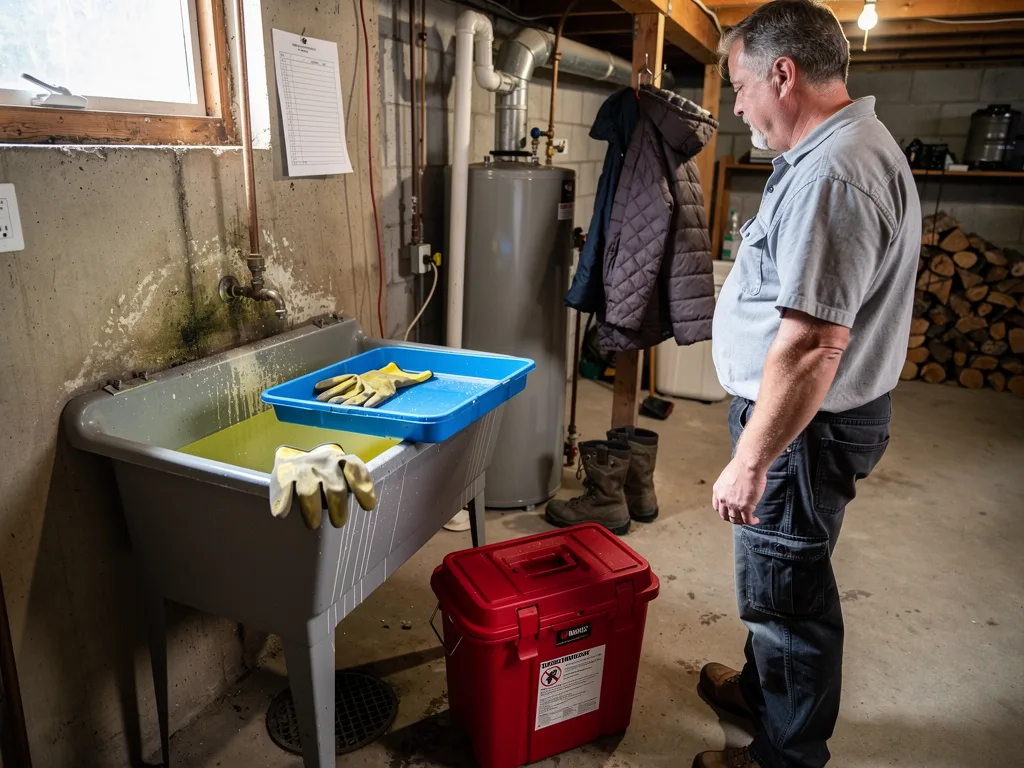
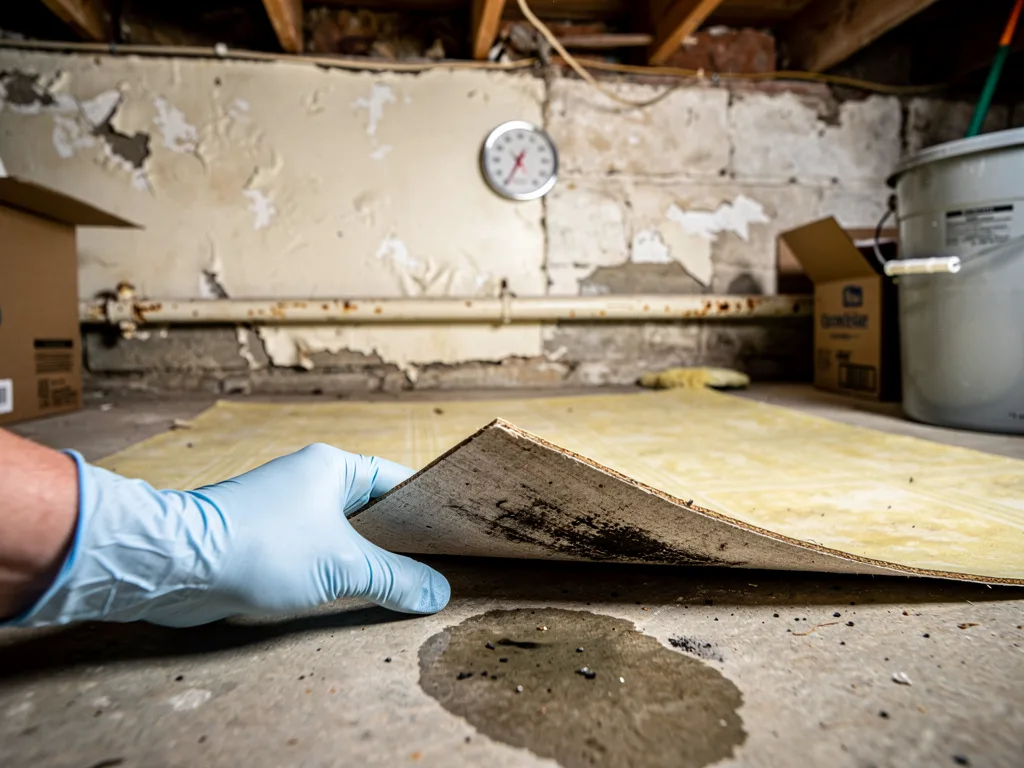
Biohazard cleanup in Maine starts with recognizing the signs that something isn’t right. Household odor can be stronger than usual and linger in confined spaces. Discoloration on walls, floors, or ceilings may indicate contamination that needs careful handling by a biohazard remediation technician. Stains, dried residue, or powdery material by sinks, bathrooms, or basements can also signal a problem that requires professional assessment.
Another red flag is lingering chemical or metallic smells after cleaning. In some cases, bins, closets, or storage areas may harbor debris that isn’t visible but poses a risk. If you notice unusual textures on surfaces, persistent moisture, or mold-like growth, treat it as a potential biohazard until a qualified pro inspects it.
Across Maine homes, the presence of bodily fluids, bloodstains, or organic matter in kitchens, bathrooms, or living spaces should prompt a careful, measured response. Our team is trained to evaluate these indicators without jumping to conclusions, using proper PPE and containment when necessary.
Why these signs matter
Unchecked biohazard indicators can worsen over time. Contaminants may spread through air currents or contact paths, increasing risk to occupants and neighbors. Early recognition helps protect your household and makes the cleanup process safer and more efficient for everyone involved.
Maine homeowners should treat any strong, unfamiliar odor or suspicious residue as a signal to call a professional. A quick assessment from our biohazard remediation technicians can determine the best course of action and prevent cross-contamination during cleanup.
What to expect when you call
When you reach out to Maine Biohazard Cleanup Pros, you’ll speak with a coordinator who understands statewide needs. A capable biohazard remediation technician will review what you’ve observed, discuss immediate safety steps, and schedule an on-site evaluation. We focus on clear communication, safety, and practical next steps tailored to your home across Maine.
During the assessment, we examine potential sources, ventilate the space when safe to do so, and outline containment measures if needed. We document findings and provide a straightforward plan without hype. If remediation proceeds, the work is performed by trained crews who follow state guidelines and use appropriate disposal methods.
Practical next steps you can take now
- Avoid touching or disturbing any suspicious material until a professional arrives.
- Ventilate the area by opening doors and windows if it’s safe and there are no active hazards nearby.
- Keep children and pets away from the area and limit access until the space is secured.
- Document odors, stains, or textures with photos to share during your call.